
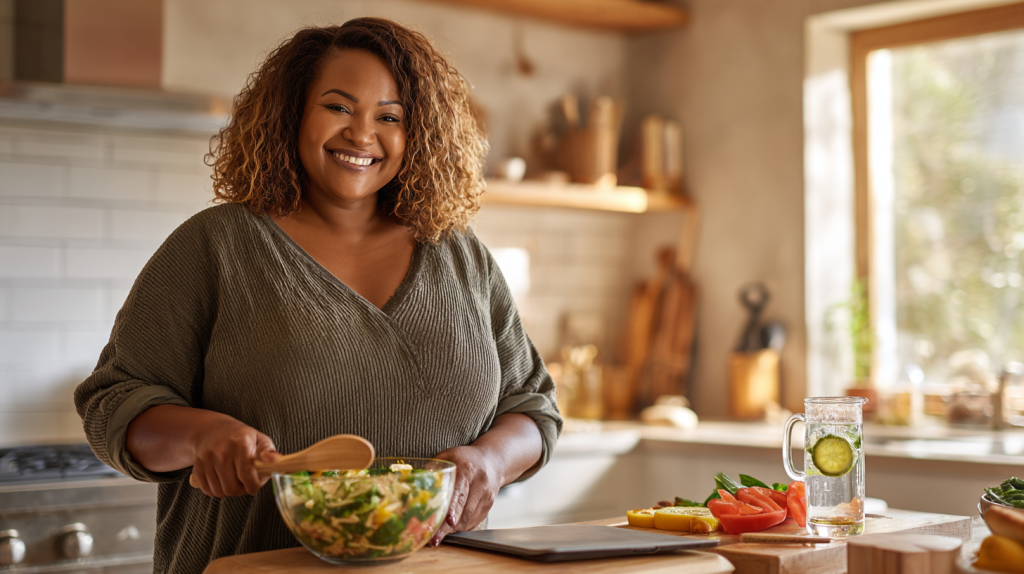
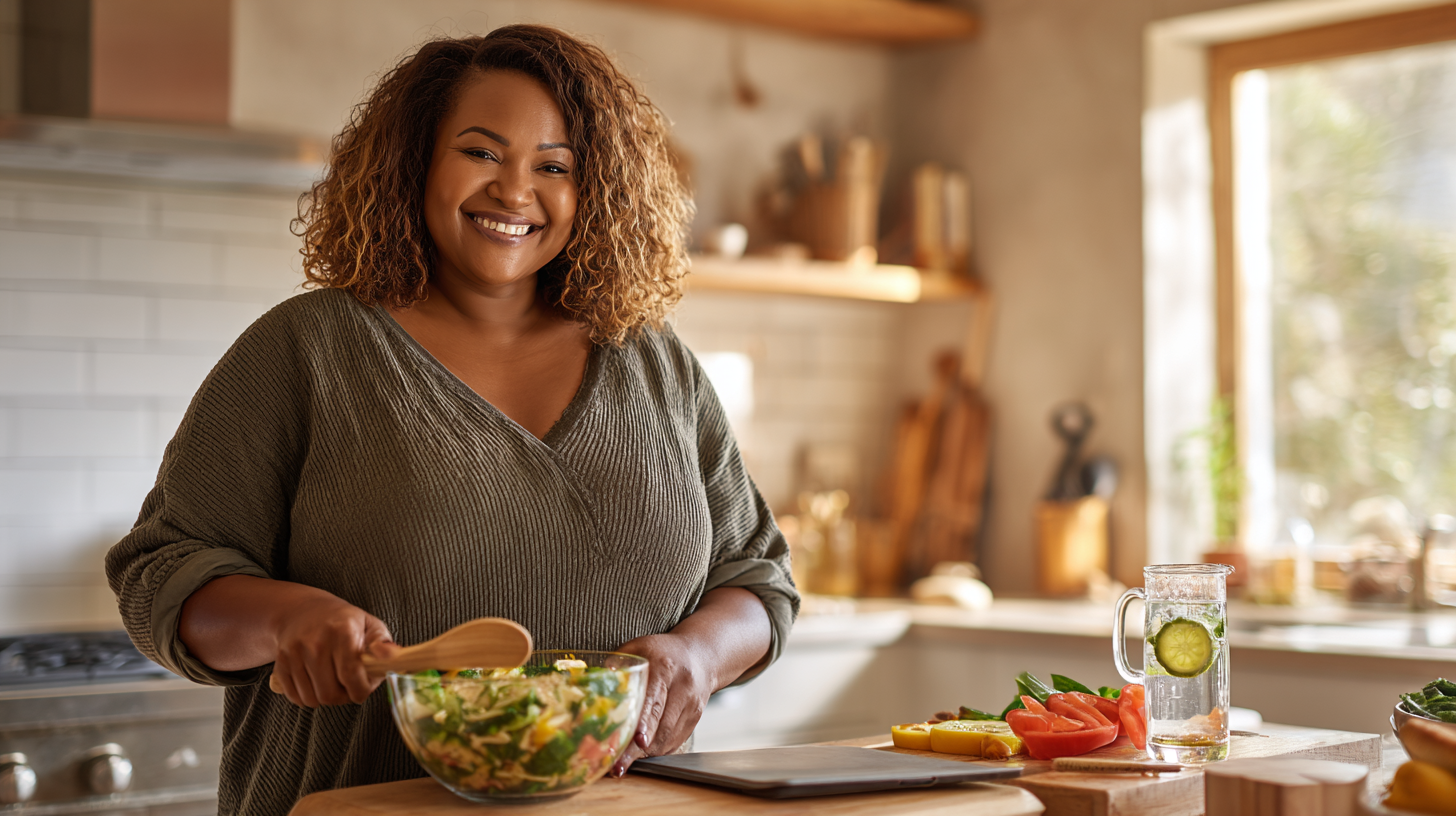
Healthy Curvy Eating is not about restrictive diets or deprivation – it’s a balanced approach to nourishing your body and celebrating your natural curves. It emphasizes variety and moderation: colorful fruits and vegetables, whole grains, lean proteins or plant proteins, and healthy fats fill your plate. Experts note that diets high in ultra-processed foods are linked to health problems, so Healthy Curvy Eating encourages choosing whole foods like leafy greens, beans, whole grains, eggs, nuts and seeds. This guide is your blueprint for building a positive, sustainable relationship with food that supports your health and honors your beautiful curves.
What Kind of Eating Can Be Called Healthy for Curvy Figure?
Healthy Curvy Eating is more than a diet; it’s a mindset about fueling your body with wholesome foods and honoring your curves. It recognizes that people of all sizes can enjoy vibrant health by eating a variety of nutrient-rich foods. Key principles include moderation, balance, and listening to hunger cues – rather than rigid rules or restrictive eating. This inclusive approach encourages every plus-size queen to eat satisfying meals that support energy and body positivity.
How to Build/Maintain a Curvy Figure
Building or maintaining your curves is about consistency and balance, not perfection. It’s about making more good choices than not and understanding what your body needs to feel its best.
Embrace Consistent, Balanced Meals: Avoid the cycle of restriction and overindulgence. Eating regular meals that include protein, fiber, and healthy fats helps stabilize blood sugar and prevents extreme hunger that can lead to less mindful food choices.
Prioritize Strength-Training Support: To build a body that is strong and curvaceous, your nutrition should support your fitness. A solid workout plan is only half the equation; a diet with adequate protein and whole foods is essential for building muscle and promoting health and mobility.
Listen to Your Body’s Hunger Cues: Pay attention to what your body is telling you. Eat when you’re hungry and stop when you’re comfortably full. This mindful approach helps you maintain a healthy relationship with food without rigid rules.
Plan and Prep: A little preparation goes a long way. Having healthy snacks like nuts, fruits, or pre-cut vegetables on hand can help you make nourishing choices when you’re busy.
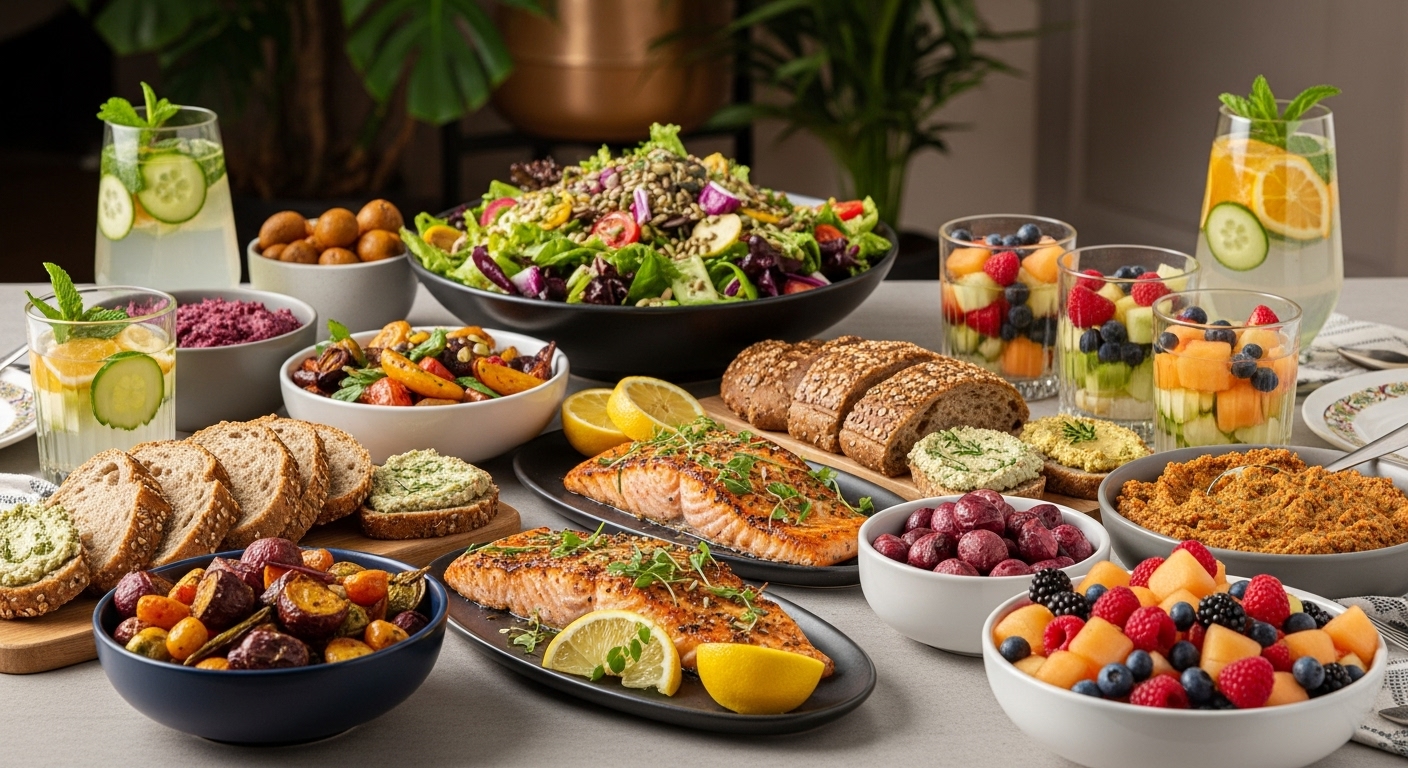
What Foods Keep Your Curvy Body Nourished?
Eating enough to maintain curves means fueling your body at every meal. Focus on including:
Complex Carbohydrates: Whole-wheat bread, brown rice, sweet potatoes or legumes for steady energy and fullness.
Fiber & Produce: Foods like beans, berries, broccoli and leafy greens provide filling fiber and important vitamins/minerals.
Protein-Rich Foods: Fish, chicken, eggs, tofu or Greek yogurt to support muscle and recovery and help curves stay strong.
Healthy Fats: Avocado, nuts, seeds, olive oil or nut butters for hormone support and extra calories.
Hydrate with plenty of water and consider calcium- and iron-rich choices for bone health. Including these foods will help maintain curves and support overall health. Eating this way ensures you meet your nutritional needs and helps keep your curves healthy and energized.
Common Myths About Plus-Size Nutrition Debunked
Myth 1: Curvy women should only eat salads.
Truth: A healthy diet is diverse and includes a balance of all food groups, including proteins, healthy fats, and complex carbohydrates, to ensure proper nutrition and satisfaction.
Myth 2: You have to cut out all carbs to be healthy.
Truth: Complex carbohydrates from whole grains, fruits, and vegetables are a vital source of energy, fiber, and nutrients. The key is choosing the right kinds and balancing them with other foods.
Frequently Asked Questions That People May Also Ask
Q: Do I need to follow a strict diet to eat this way?
A: Not at all. Healthy Curvy Eating is about balance, not rigid rules. Experts emphasize whole, nutrient-dense foods over ultra-processed options. You don’t have to ban treats forever – even the Dietary Guidelines suggest roughly 85% of your intake be nutrient-rich, leaving about 15% for occasional indulgences.
Q: Can I still enjoy desserts and treats on a healthy curvy eating plan?
A: Absolutely. The idea is moderation, not complete abstinence. Nutrition guidelines allow a small portion of daily calories (about 10-15%) from sweets or less-healthy foods. Savor a piece of dark chocolate or a small dessert occasionally, then get right back to balanced meals. This mindset prevents guilt and helps you stick with healthy habits long-term.
Q: What are some healthy snack ideas for curvy women?
A: Good snacks combine protein and fiber to keep you full between meals. Examples include apple slices with peanut or almond butter, Greek yogurt with berries, cottage cheese with fruit, or veggies with hummus. Nuts and seeds or a hard-boiled egg are portable protein options. These give nutrients and curb hunger without derailing progress.
Q: How do I know if I’m eating enough to maintain my curves?
A: Tune into your body’s hunger and fullness cues. Eating until satisfied and including a variety of foods ensures you meet your needs. Notice if your energy levels are steady and your mood is good—these are signs you’re on track. If you’re ever unsure, a registered dietitian can help tailor portion sizes and meal plans to your individual lifestyle and goals.
Stay tuned and follow us for more practical and helpful advice!