
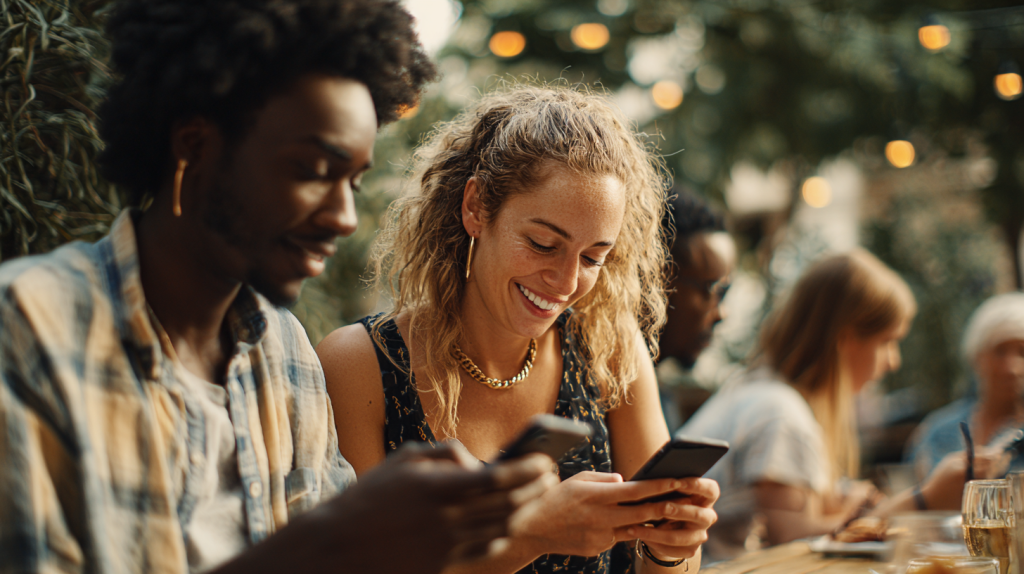
Today, meeting people online is the new normal. Roughly 30% of U.S. adults have tried an app like Tinder, Bumble or Hinge, and among young adults the number is even higher – about 53% of under-30s report having used an app. Swiping through profiles on your phone can feel magical: as psychologist Eli Finkel notes, apps introduce us to tons of people we’d otherwise never meet. In fact, Tinder remains the most popular platform, with Bumble and Hinge not far behind. None of these apps promise soulmates – as Finkel points out, they mostly offer a fighting chance at connection. But attitudes are mixed. Many users praise the convenience of swiping; others find it dehumanizing. Psychologists warn that endless swiping can become image-obsessed, encouraging snap judgments on profile photos rather than genuine bonding.
Swipe Fatigue and Gen Z Frustration
By 2025, a growing “swipe fatigue” is much harder to ignore. After pandemic lockdowns, Gen Z daters especially report burnout: a survey found 79% of Gen Z feel drained by apps like Tinder and Bumble. Many young singles admit they’d rather meet organically: in a recent Kinsey Institute poll, 90.24% of Gen Z said they prefer cafés, parties or classes over swiping online. In interviews, students describe app conversations fizzling out over text. One college student told Fast Company that chats “rarely progressed beyond the texting stage,” and that she mostly used apps for casual flings, preferring real-world meetups. In short, many feel pressure to deliver immediacy and authenticity that apps don’t always offer.
Choice overload: Endless profiles can leave users numb. Experts call this the paradox of choice, where too many options makes every match feel less special. As one Gen Z survey notes, swiping endlessly often leads to frustration.
Desire for romance: Ironically, many daters seek genuine connection. Bumble’s research finds over half of women identify as romantics, and 86% of singles say small gestures matter more than grand plans.
App stigma: Peers can view app use as a lack of social life, adding shame to the mix. Combined with pandemic Zoom fatigue, many Gen Zers are wary of meeting strangers online.
These trends are reshaping dating. Psychologists note rising anxiety and self-esteem issues linked to heavy app use. At the same time, daters are pushing apps to evolve. For example, Hinge added more video and messaging features to spark conversation. But so far, the most common fallback is old-fashioned: meet people through friends, hobbies or classes, then perhaps use apps to keep the conversation going.
How the Big Apps Work
Mainstream apps each offer a distinct vibe:
Tinder: The original swipe app. Nearly half of online daters have tried it. It’s fast and visual – you swipe right if you’re interested. Tinder is widely seen as hookup-friendly, though many still find serious relationships there.
Bumble: Similar to Tinder’s interface, but with a twist: women must message first (or in same-sex matches, either person can). Founded to empower women, Bumble encourages more respectful interactions. About 28% of online daters report using it.
Hinge: Billed as the “relationship app,” Hinge uses detailed profiles and fun prompts to showcase personality. It steers daters toward intentional matches; for example, users must answer questions or “like” a specific photo or answer. Hinge has gained popularity: Gen Z is over half its base, and it saw a 17% jump in paying users recently.
Each app shapes user expectations: Tinder’s brevity can make dating feel impulsive, while Hinge’s prompts nudge deeper questions. Relationship experts say no algorithm is perfect. Finkel advises that apps are best viewed as tools to widen the pool. As he observes, “Swipe…then meet over a pint of beer or a cup of coffee. I think this is the best solution” – meaning face-to-face chemistry still rules. In practice, many people use multiple apps or switch between them: it’s common to keep Tinder for volume, Bumble for politeness, Hinge for commitment-minded dates.
Niche Apps and Inclusive Dating
For those left on the sidelines by generic apps, specialty platforms are rising. In the plus-size community, for example, BBW-focused apps like Bustr have found a following. Bustr bills itself as the world’s largest BBW dating app – it explicitly targets curvy singles. Its description promises a welcoming space for curvy singles and even mentions BBW dating and curvy dating by name. This comes from a gap in the market: as one Bustr rep explains, traditional apps were not meeting the specific needs and desires of plus-size women. On mainstream swiping apps, many plus-size users encounter rude messages or feel invisible. Bustr counters that by enforcing strict community guidelines and positivity. It emphasizes body-positivity – for example, one user success story on Bustr describes meeting a partner who appreciated her authentic side and built a lasting relationship. By creating a safe, inclusive environment, Bustr lets daters focus on connection instead of dealing with weight-shaming.
What Experts Say
Behavioral scientists observe that dating apps are still new territory in our social fabric. Some good news: there are signs of pushback against shallow swiping. A 2020 Psychology Today report found that many users started prioritizing personality and chemistry over looks alone. The rise of features like “voice prompts” or blurred-photo chat reflects this. More people felt online dating had a negative effect on romance than a positive one. In other words, many want apps to change.
On the bright side, most daters still value authenticity. Even on apps, genuine conversation matters. For example, one survey asked what people would do differently on apps: the top answers were “be more authentic,” “treat people more respectfully,” and “not pass judgment too quickly”. This aligns with what users say: small, personal touches often beat generic chat. As someone puts it, the best outcome is meeting for a real drink or coffee after you swipe.
Overall, dating culture is in flux. Apps have revolutionized how Americans meet – they’re ubiquitous, and still useful for casting a wide net. But they also encourage new norms: swiping has normalized casual matching, while success stories and user feedback are pushing apps toward more sincerity and inclusivity. Many users now combine old and new habits: they might connect on an app but plan an offline meet-cute, or rely on friends’ recommendations over endless texting. In short, Americans are learning to make dating apps work for them – demanding authenticity, safety, and sometimes niche communities (like BBW or trans-inclusive apps) that reflect their values. The result is a more diverse dating landscape where curvy dating or trans dating apps share the stage with Tinder and Bumble, and where personal stories, rather than perfect algorithms – guide the love hunt.